
Warning: include(/home/fashionetailor/tailored-jeans.com/blog/wp-content/plugins/acymailing/vendor/composer/../psr/http-factory/src/RequestFactoryInterface.php): failed to open stream: No such file or directory in /home/fashionetailor/tailored-jeans.com/blog/wp-content/plugins/wordpress-seo/vendor/composer/ClassLoader.php on line 571
Warning: include(): Failed opening '/home/fashionetailor/tailored-jeans.com/blog/wp-content/plugins/acymailing/vendor/composer/../psr/http-factory/src/RequestFactoryInterface.php' for inclusion (include_path='.:/opt/cpanel/ea-php74/root/usr/share/pear') in /home/fashionetailor/tailored-jeans.com/blog/wp-content/plugins/wordpress-seo/vendor/composer/ClassLoader.php on line 571
Warning: include(/home/fashionetailor/tailored-jeans.com/blog/wp-content/plugins/acymailing/vendor/composer/../psr/http-factory/src/ResponseFactoryInterface.php): failed to open stream: No such file or directory in /home/fashionetailor/tailored-jeans.com/blog/wp-content/plugins/wordpress-seo/vendor/composer/ClassLoader.php on line 571
Warning: include(): Failed opening '/home/fashionetailor/tailored-jeans.com/blog/wp-content/plugins/acymailing/vendor/composer/../psr/http-factory/src/ResponseFactoryInterface.php' for inclusion (include_path='.:/opt/cpanel/ea-php74/root/usr/share/pear') in /home/fashionetailor/tailored-jeans.com/blog/wp-content/plugins/wordpress-seo/vendor/composer/ClassLoader.php on line 571
Warning: include(/home/fashionetailor/tailored-jeans.com/blog/wp-content/plugins/acymailing/vendor/composer/../psr/http-factory/src/ServerRequestFactoryInterface.php): failed to open stream: No such file or directory in /home/fashionetailor/tailored-jeans.com/blog/wp-content/plugins/wordpress-seo/vendor/composer/ClassLoader.php on line 571
Warning: include(): Failed opening '/home/fashionetailor/tailored-jeans.com/blog/wp-content/plugins/acymailing/vendor/composer/../psr/http-factory/src/ServerRequestFactoryInterface.php' for inclusion (include_path='.:/opt/cpanel/ea-php74/root/usr/share/pear') in /home/fashionetailor/tailored-jeans.com/blog/wp-content/plugins/wordpress-seo/vendor/composer/ClassLoader.php on line 571
Warning: include(/home/fashionetailor/tailored-jeans.com/blog/wp-content/plugins/acymailing/vendor/composer/../psr/http-factory/src/StreamFactoryInterface.php): failed to open stream: No such file or directory in /home/fashionetailor/tailored-jeans.com/blog/wp-content/plugins/wordpress-seo/vendor/composer/ClassLoader.php on line 571
Warning: include(): Failed opening '/home/fashionetailor/tailored-jeans.com/blog/wp-content/plugins/acymailing/vendor/composer/../psr/http-factory/src/StreamFactoryInterface.php' for inclusion (include_path='.:/opt/cpanel/ea-php74/root/usr/share/pear') in /home/fashionetailor/tailored-jeans.com/blog/wp-content/plugins/wordpress-seo/vendor/composer/ClassLoader.php on line 571
Warning: include(/home/fashionetailor/tailored-jeans.com/blog/wp-content/plugins/acymailing/vendor/composer/../psr/http-factory/src/UploadedFileFactoryInterface.php): failed to open stream: No such file or directory in /home/fashionetailor/tailored-jeans.com/blog/wp-content/plugins/wordpress-seo/vendor/composer/ClassLoader.php on line 571
Warning: include(): Failed opening '/home/fashionetailor/tailored-jeans.com/blog/wp-content/plugins/acymailing/vendor/composer/../psr/http-factory/src/UploadedFileFactoryInterface.php' for inclusion (include_path='.:/opt/cpanel/ea-php74/root/usr/share/pear') in /home/fashionetailor/tailored-jeans.com/blog/wp-content/plugins/wordpress-seo/vendor/composer/ClassLoader.php on line 571
Warning: include(/home/fashionetailor/tailored-jeans.com/blog/wp-content/plugins/acymailing/vendor/composer/../psr/http-factory/src/UriFactoryInterface.php): failed to open stream: No such file or directory in /home/fashionetailor/tailored-jeans.com/blog/wp-content/plugins/wordpress-seo/vendor/composer/ClassLoader.php on line 571
Warning: include(): Failed opening '/home/fashionetailor/tailored-jeans.com/blog/wp-content/plugins/acymailing/vendor/composer/../psr/http-factory/src/UriFactoryInterface.php' for inclusion (include_path='.:/opt/cpanel/ea-php74/root/usr/share/pear') in /home/fashionetailor/tailored-jeans.com/blog/wp-content/plugins/wordpress-seo/vendor/composer/ClassLoader.php on line 571
Warning: include(/home/fashionetailor/tailored-jeans.com/blog/wp-content/plugins/acymailing/vendor/composer/../psr/http-message/src/ServerRequestInterface.php): failed to open stream: No such file or directory in /home/fashionetailor/tailored-jeans.com/blog/wp-content/plugins/wordpress-seo/vendor/composer/ClassLoader.php on line 571
Warning: include(): Failed opening '/home/fashionetailor/tailored-jeans.com/blog/wp-content/plugins/acymailing/vendor/composer/../psr/http-message/src/ServerRequestInterface.php' for inclusion (include_path='.:/opt/cpanel/ea-php74/root/usr/share/pear') in /home/fashionetailor/tailored-jeans.com/blog/wp-content/plugins/wordpress-seo/vendor/composer/ClassLoader.php on line 571
Warning: include(/home/fashionetailor/tailored-jeans.com/blog/wp-content/plugins/acymailing/vendor/composer/../psr/http-message/src/RequestInterface.php): failed to open stream: No such file or directory in /home/fashionetailor/tailored-jeans.com/blog/wp-content/plugins/wordpress-seo/vendor/composer/ClassLoader.php on line 571
Warning: include(): Failed opening '/home/fashionetailor/tailored-jeans.com/blog/wp-content/plugins/acymailing/vendor/composer/../psr/http-message/src/RequestInterface.php' for inclusion (include_path='.:/opt/cpanel/ea-php74/root/usr/share/pear') in /home/fashionetailor/tailored-jeans.com/blog/wp-content/plugins/wordpress-seo/vendor/composer/ClassLoader.php on line 571
Warning: include(/home/fashionetailor/tailored-jeans.com/blog/wp-content/plugins/acymailing/vendor/composer/../psr/http-message/src/MessageInterface.php): failed to open stream: No such file or directory in /home/fashionetailor/tailored-jeans.com/blog/wp-content/plugins/wordpress-seo/vendor/composer/ClassLoader.php on line 571
Warning: include(): Failed opening '/home/fashionetailor/tailored-jeans.com/blog/wp-content/plugins/acymailing/vendor/composer/../psr/http-message/src/MessageInterface.php' for inclusion (include_path='.:/opt/cpanel/ea-php74/root/usr/share/pear') in /home/fashionetailor/tailored-jeans.com/blog/wp-content/plugins/wordpress-seo/vendor/composer/ClassLoader.php on line 571
Warning: include(/home/fashionetailor/tailored-jeans.com/blog/wp-content/plugins/acymailing/vendor/composer/../psr/http-message/src/StreamInterface.php): failed to open stream: No such file or directory in /home/fashionetailor/tailored-jeans.com/blog/wp-content/plugins/wordpress-seo/vendor/composer/ClassLoader.php on line 571
Warning: include(): Failed opening '/home/fashionetailor/tailored-jeans.com/blog/wp-content/plugins/acymailing/vendor/composer/../psr/http-message/src/StreamInterface.php' for inclusion (include_path='.:/opt/cpanel/ea-php74/root/usr/share/pear') in /home/fashionetailor/tailored-jeans.com/blog/wp-content/plugins/wordpress-seo/vendor/composer/ClassLoader.php on line 571
The Rise of Gender-Fluid Denim: How Tailored Jeans Fit Every Body
The denim industry is experiencing a profound transformation. What was once a rigidly divided market—with men’s jeans on one side of the store and women’s on the other—is evolving into something far more inclusive and practical. Gender-fluid denim isn’t just a fashion trend; it’s a recognition that human bodies don’t fit into neat binary categories, and neither should the clothes we wear.
As a tailoring professional who has measured and fitted thousands of clients over the past fifteen years, I’ve witnessed firsthand how the traditional sizing system fails people of all genders. A 2023 survey by the Fashion Institute of Technology found that 67% of consumers report difficulty finding jeans that fit properly off the rack, regardless of which section they shop in. This statistic underscores a fundamental truth: bodies are unique, and mass-produced sizing categories simply cannot accommodate this diversity.
The solution lies in custom-tailored denim—jeans crafted to your specific measurements rather than arbitrary size labels. In this comprehensive guide, we’ll explore why gender-fluid denim is reshaping the fashion landscape, how tailored jeans for men and women address the shortcomings of ready-to-wear options, and what you need to know to find your perfect fit.
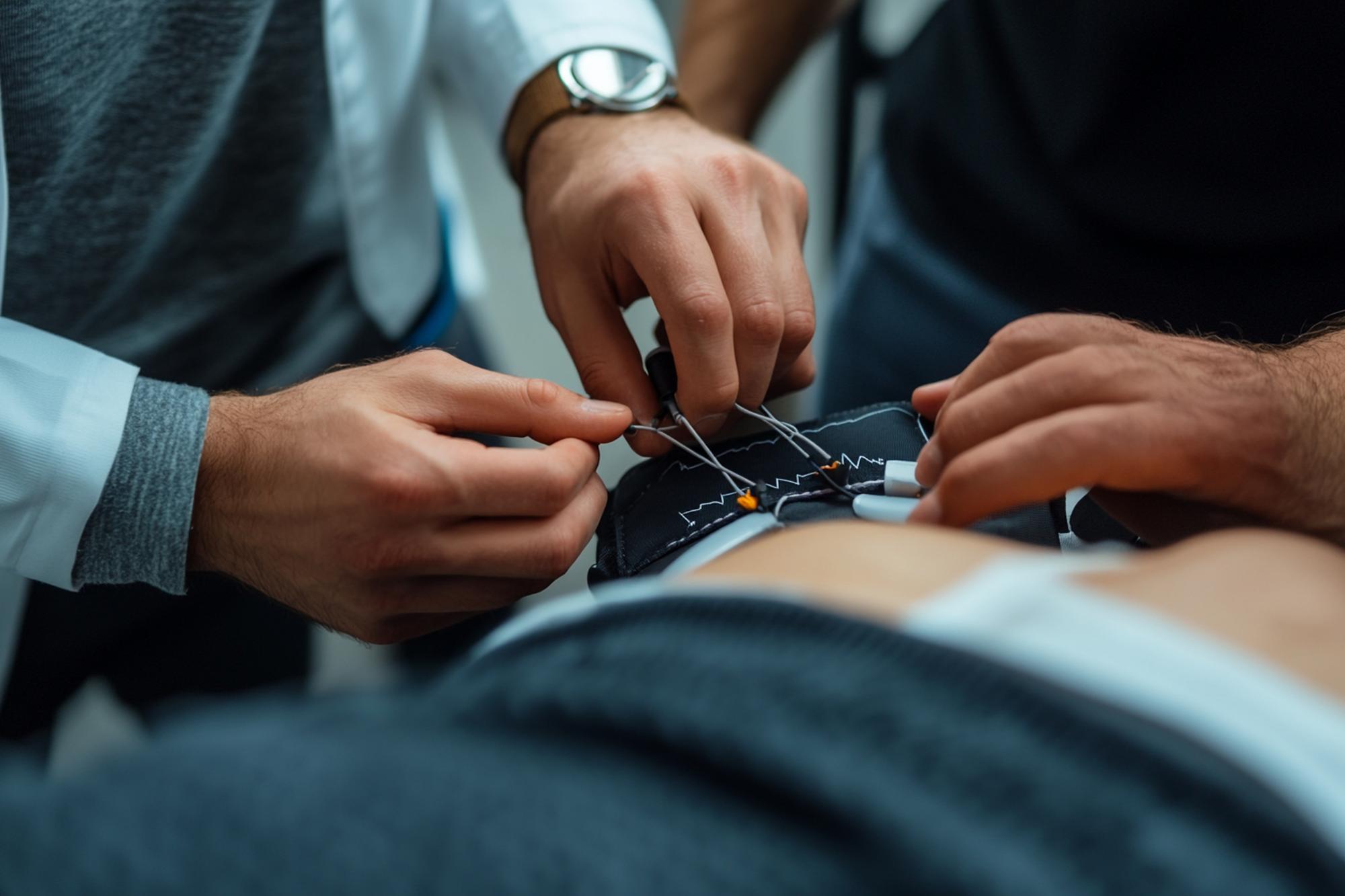
Understanding the Limitations of Traditional Gendered Denim
Traditional denim manufacturing operates on assumptions that simply don’t hold true for most people. Men’s jeans are designed with a straight hip-to-waist ratio, minimal curve accommodation, and longer inseams. Women’s jeans assume an hourglass figure, significant hip-to-waist differential, and shorter inseams. But what happens when your body doesn’t conform to these expectations?
The Problem with Standardised Sizing
Research published in the International Journal of Fashion Design found that ready-to-wear sizing only accurately fits approximately 20% of the population. This means four out of five people are wearing jeans that compromise on fit somewhere—whether that’s a waistband that gaps, thighs that restrict movement, or a rise that sits uncomfortably.
The issue compounds when we consider that body proportions don’t follow gendered patterns. Many men have fuller hips and require more room in the seat. Many women have straighter figures and find women’s cuts excessively curved. Non-binary individuals often find themselves stranded between departments, with neither option providing a satisfactory fit.
How Marketing Shapes (and Limits) Our Choices
For decades, the fashion industry has marketed jeans based on gender rather than body type. This approach creates artificial barriers. A woman with an athletic build might find a better fit in men’s cuts, but faces psychological hurdles when shopping in a section not “meant” for her. Similarly, a man seeking a higher rise or more tapered silhouette may struggle to find options in conventional men’s departments.
According to McKinsey’s State of Fashion 2024 report, 48% of Gen Z consumers have purchased clothing from a section not traditionally associated with their gender. This shift in shopping behaviour signals that consumers are increasingly prioritising fit and style over gendered marketing categories.
The Anatomy of a Perfect Fit: What Tailored Jeans Offer
Custom-tailored jeans eliminate the guesswork and compromise inherent in ready-to-wear sizing. Instead of selecting from predetermined shapes, you provide your actual measurements, and the jeans are constructed to match your unique proportions.
Key Measurements That Matter
When we create [custom-fit jeans], we take a comprehensive set of measurements that go far beyond waist and inseam. These include hip circumference at the fullest point, thigh circumference, knee circumference, rise (both front and back), and crotch depth. Each measurement contributes to how the finished jeans will drape and move with your body.
The rise measurement alone can make or break a pair of jeans. Too short, and you’ll experience constant discomfort when sitting or bending. Too long, and the jeans will bunch awkwardly at the waist. Off-the-rack jeans typically offer only three rise options—low, mid, and high—but custom tailoring can specify your exact rise to the half-centimetre.
Fabric Selection and Body Comfort
Beyond measurements, tailored jeans allow you to select fabrics that work with your body and lifestyle. Stretch percentages, fabric weight, and weave type all influence how jeans perform throughout the day. Someone who sits at a desk benefits from a different fabric composition than someone whose work requires physical movement.
Modern denim blends offer remarkable versatility. A 98% cotton, 2% elastane blend provides subtle stretch without sacrificing the structured feel of traditional denim. For clients who prioritise mobility, we might recommend a 95% cotton, 4% polyester, 1% elastane composition that offers greater flexibility while maintaining shape retention.
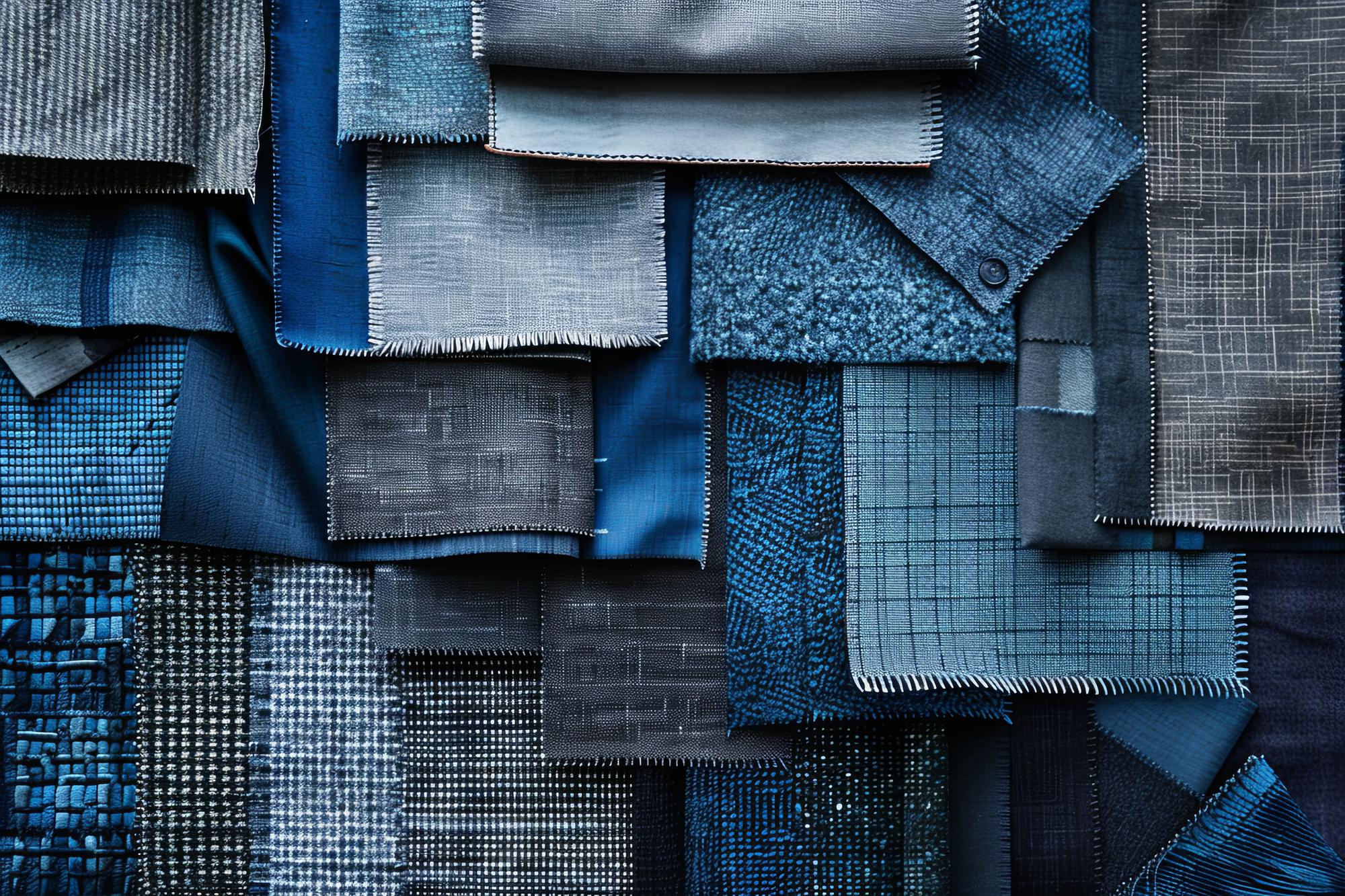
Why Gender-Fluid Denim Is More Than a Trend
The movement toward gender-inclusive fashion reflects broader cultural shifts in how we understand identity and self-expression. But beyond the social dimensions, there are practical reasons why gender-fluid denim makes sense for everyone.
The Economics of Fit
Ill-fitting jeans don’t just look awkward—they wear out faster. When fabric is under constant tension in the wrong places, it breaks down more quickly. Seams strain, knees blow out, and crotch areas thin prematurely. A study by the Sustainable Apparel Coalition found that poorly fitting garments have a lifespan 40% shorter than well-fitting equivalents.
Investing in [tailored denim that fits perfectly] means investing in garments that will serve you longer. When jeans fit correctly, stress is distributed evenly across the fabric, and you’re not constantly tugging, adjusting, or compensating for problem areas.
Psychological Benefits of Proper Fit
The relationship between clothing fit and self-confidence is well-documented. Research from the Journal of Consumer Psychology indicates that wearing well-fitting clothes correlates with increased self-esteem and improved performance in social and professional settings. When you’re not distracted by discomfort or self-consciousness about how your clothes look, you can focus your energy elsewhere.
For individuals whose bodies don’t conform to traditional sizing expectations, finding clothes that fit can be genuinely transformative. Rather than viewing their body as the “problem” that doesn’t fit standard sizes, custom tailoring reframes the equation: the clothes adapt to the body, not the other way around.
How the Custom Tailoring Process Works
If you’ve never ordered custom-tailored jeans before, the process might seem intimidating. In reality, it’s straightforward and designed to accommodate clients at any experience level.
Taking Your Measurements
Accurate measurements are the foundation of well-fitting tailored jeans. While professional measuring by a tailor produces the most reliable results, self-measurement is absolutely achievable with proper guidance. You’ll need a flexible measuring tape and ideally a second person to assist with certain measurements.
When taking measurements, wear the undergarments you’d typically wear with jeans—this ensures the finished product fits correctly over your normal foundation garments. Measure snugly but not tightly; the tape should lie flat against your body without compressing the skin.
Selecting Your Style Details
Beyond fit, tailored jeans offer customisation options that ready-to-wear simply cannot match. You’ll choose your preferred leg shape—from relaxed straight to aggressive taper. You’ll specify pocket placement, which affects both aesthetics and functionality. You’ll select button fly or zip fly, and choose from various wash treatments and finishes.
These details might seem minor, but they accumulate into jeans that feel genuinely personal. The [perfect custom jeans for your body type] aren’t just clothes that fit—they’re clothes that align with your aesthetic preferences and practical needs.
Fit Refinement and Alterations
Quality custom tailoring includes accommodation for adjustments. Bodies aren’t static—weight fluctuates, measurement errors occasionally occur, and personal preferences sometimes shift once you see the finished product. A reputable tailor builds allowances into construction that permit minor alterations without compromising the garment’s integrity.
Additionally, many clients find that their first pair of tailored jeans serves as a learning experience. You discover what you like and what you might tweak next time. The second pair often fits even better because you’ve refined your preferences through experience.
Real-World Applications: Who Benefits from Gender-Fluid Tailored Denim
While custom-tailored jeans benefit anyone who wants clothes that actually fit, certain groups find them particularly valuable.
Athletes and Active Bodies
Athletic bodies frequently fall outside standard sizing parameters. Runners may have disproportionately developed quadriceps. Cyclists often have substantial thigh and glute development. Weightlifters might have a significant differential between waist and hip measurements. Standard jeans cannot accommodate these proportions without compromise.
A 2022 survey by Runner’s World found that 73% of serious runners struggle to find jeans that fit both their waist and thighs comfortably. [Jeans designed for athletic builds] address this by constructing the garment around your specific proportions rather than averaged assumptions.
Bodies in Transition
For individuals whose bodies are changing—whether through hormone therapy, post-surgical recovery, weight loss programmes, or pregnancy recovery—standard sizing becomes a moving target. Custom tailoring offers a solution that meets you where you currently are, rather than where manufacturers assume you should be.
Fashion-Forward Individuals
Some clients seek custom tailoring not because off-the-rack doesn’t fit, but because they want something specific that mass production doesn’t offer. Perhaps you want a 12-inch rise with a dramatic taper—a combination rarely found in stores. Custom tailoring makes niche preferences achievable.

The Future of Denim: Industry Trends and Predictions
The shift toward body-inclusive, gender-neutral denim aligns with broader transformations in the fashion industry. Understanding these trends helps contextualise why now is an excellent time to explore tailored options.
Technology-Enabled Customisation
Digital measurement tools and 3D body scanning are making custom fit more accessible than ever. While nothing fully replaces the expertise of an experienced tailor, these technologies lower barriers to entry and improve measurement accuracy for self-measuring clients. According to Technavio research, the custom apparel market is projected to grow by $993 million between 2023 and 2027, driven largely by technological advances.
Sustainability and Made-to-Order
The fashion industry produces an estimated 92 million tonnes of textile waste annually, according to the Ellen MacArthur Foundation. Made-to-order production—including custom-tailored garments—significantly reduces this waste by producing only what customers have actually purchased. There’s no overproduction, no unsold inventory destined for landfills.
When you invest in [sustainable custom denim], you’re participating in a more responsible consumption model. The garment is made specifically for you, fits you correctly, and will likely remain in your wardrobe for years rather than being discarded after a few wears due to fit frustration.
Making the Transition to Tailored Denim
If you’re accustomed to grabbing jeans off a rack, transitioning to custom tailoring requires a slight mindset shift. Here’s what to expect and how to prepare.
Budget Considerations
Custom-tailored jeans typically cost more upfront than mass-produced alternatives. However, when calculating cost-per-wear, the equation often favours tailored options. A $50 pair of ill-fitting jeans that you rarely wear because they’re uncomfortable represents poor value. A $150 pair of tailored jeans that you wear twice weekly for three years represents excellent value.
Consider reallocating your denim budget from quantity to quality. Rather than purchasing multiple pairs of mediocre jeans, invest in fewer pairs that genuinely serve you well.
Timeline Expectations
Unlike off-the-rack purchasing, custom tailoring requires production time. Expect several weeks from order to delivery. This timeline necessitates planning ahead—if you need jeans for a specific event, order well in advance. However, this waiting period also adds value: anticipation, thoughtful selection, and the satisfaction of receiving something made specifically for you.
Frequently Asked Questions About Gender-Fluid Tailored Jeans
Based on conversations with thousands of clients exploring custom denim options, these are the questions that arise most frequently.
Can tailored jeans really fit any body type?
Yes. Custom tailoring works from your individual measurements rather than predetermined size categories. Whether you have a straight figure, significant curves, athletic development, or proportions that don’t match any standard size chart, tailored jeans are constructed specifically to your body. The entire premise of custom tailoring is that bodies vary infinitely—and so should their clothes.
How do I know what style will look best on me?
A quality tailor provides guidance based on your body proportions and style preferences. Generally, balanced proportions look good in most silhouettes. If you want to create visual balance—say, minimising hips or lengthening legs—specific design choices can achieve these effects. However, “flattering” is ultimately subjective; the most important factor is that you feel comfortable and confident.
Are tailored jeans more sustainable than ready-to-wear?
In most cases, yes. Made-to-order production eliminates overproduction waste. Well-fitting clothes last longer because they experience less stress during wear. Additionally, when you’ve invested in quality garments that fit perfectly, you’re less likely to discard them prematurely in favour of new purchases.
What if my measurements change after ordering?
Reputable tailors build adjustment allowances into garment construction. Minor weight fluctuations can typically be accommodated through standard alterations. If significant changes occur before production begins, communicate with your tailor—adjustments to the order are usually possible within the production timeline.
Can I order tailored jeans online, or do I need an in-person fitting?
Both options exist. Online custom tailoring has become increasingly sophisticated, with detailed measurement guides, video tutorials, and responsive customer support. While in-person fittings offer advantages, clients successfully order excellent-fitting custom jeans through online processes regularly. The key is following measurement instructions carefully and communicating clearly about your preferences.
What’s the difference between “made-to-measure” and “bespoke” jeans?
Made-to-measure garments use standardised patterns adjusted to your measurements. Bespoke garments involve creating a completely unique pattern from scratch. For most denim purposes, made-to-measure delivers excellent fit at accessible price points. Bespoke represents the ultimate in customisation but at significantly higher cost and longer production times.
Conclusion: Your Body, Your Jeans
The rise of gender-fluid denim represents more than a fashion trend—it’s a fundamental rethinking of how we approach clothing and bodies. By removing arbitrary gendered categories and focusing instead on individual fit, the fashion industry is finally acknowledging what tailors have always known: every body is unique, and clothes should celebrate rather than constrain that uniqueness.
Tailored jeans for men and women—and everyone beyond those categories—offer a solution to the chronic frustration of ready-to-wear sizing. Whether you’ve struggled to find jeans that fit your athletic thighs, your straight figure, or your body that simply doesn’t match any standard size chart, custom tailoring provides an answer. Your perfect jeans exist; they simply need to be made specifically for you.
The investment in [your first pair of custom-tailored jeans] is an investment in comfort, confidence, and a more sustainable approach to fashion consumption. In a world of mass production and one-size-fits-most compromises, choosing clothes made for your actual body is a quiet but meaningful act of self-respect.

Sustainable Stylish Tailored Jeans – The Smarter Choice for You and the Planet

Jeans for today’s teens!

Avoiding 5 Common Denim Mistakes: What Most Men Get Wrong (and How to Fix It)
